
Why Strokes Happen
Why Strokes Happen Get the facts on this condition, which can affect the entire body. Much like the heart or any other major organ, the brain requires a constant supply of oxygen, and nutrient-rich blood to function properly. Without blood or oxygen, brain cells begin to die just after a few minutes. If blood supply is stopped for even a short time, a stroke, or brain attack can happen and brain function may be affected. Strokes can impact your ability to move, speak, eat, and control bodily functions. This can happen to anyone at any time. Managing The Risk While [...]
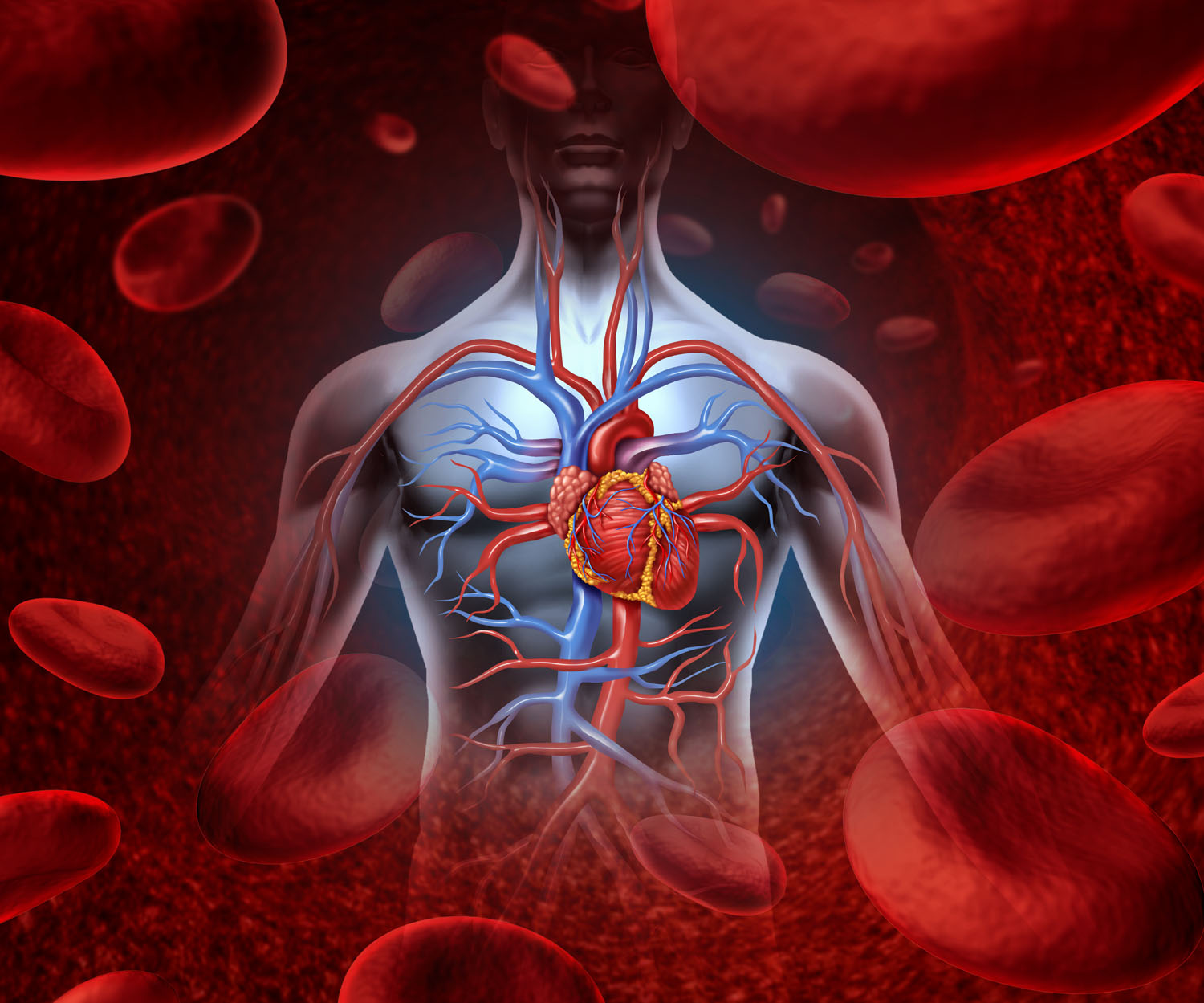
Anatomy of A Heart Attack
Learn to recognize what’s going on, so you can get help fast. Your heart is like a machine, pumping blood to deliver oxygen that keeps limbs and organs working properly. However, unhealthy lifestyle decisions, age, and genetics can lead to a heart attack. Below we will describe what happens in the body during a heart attack and how it is treated. Cholesterol Build Up Over time, age, smoking, an unhealthy diet and lack of exercise can lead to fatty cholesterol deposits building up in the arteries and hardening, becoming plaque. As the buildup grows, the artery becomes narrower, making it [...]
Do you have Prediabetes?
1 in 3 US Adults Have Prediabetes and Most Don’t Know It. Am I at Risk? What is prediabetes? Over 38% of U.S. adults have prediabetes, and more than 8 in 10 of them don’t even know they have it. Prediabetes means that you have a higher-than-normal blood sugar level; however, it isn’t high enough to be diagnosed as type 2 diabetes yet. After food is consumed, your body turns carbohydrates into sugar that is then used as energy. When your body doesn’t need all the sugar you take in at once, you create insulin, a hormone that moves [...]

Reduce Salt for a Healthy Heart
5 Tips to Reduce Salt for a Healthy Heart Americans sure do love salt. Nearly 90% of adults and children in the U.S. consume too much salt. Unfortunately, our love affair with sodium comes at a cost: high blood pressure, which leads to heart disease. “The body needs sodium to function properly, but too much sodium can raise blood pressure, which is a risk factor for heart disease and stroke. To protect your heart, Clinica Medica Familiar primary care providers advise patients to reduce their intake of sodium. That doesn’t mean shaking off salt entirely. But being heart healthy does [...]